 CS404-106-NF-00A
Search Results for: cpu
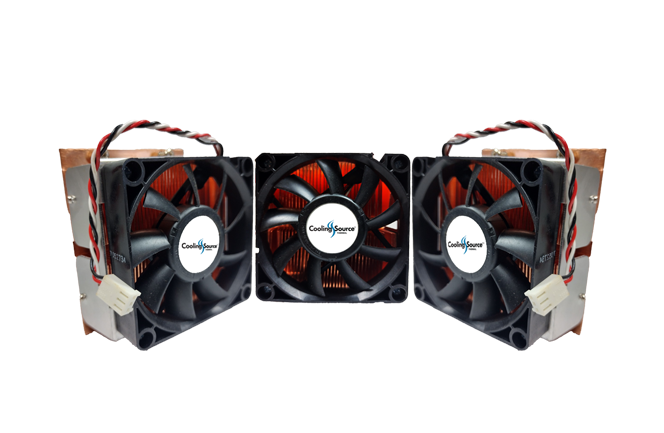
CPU Cooler
CPU Cooler
WHAT IS THE BEST CPU COOLER?
What is the best CPU is a question for which there is no definitive solution. Essentially, the CPU cooler you choose must be able to keep the CPU at a reasonable temperature. The higher the temperature, the more energy a CPU Cooler consumed, which means a shorter lifespan and lower performance. Maintaining a low CPU temperature preserves your components and maintains stability.
HOW DOES A COOLER FOR A COMPUTER WORK?
A CPU cooler, expressed, cools the CPU by eliminating the heat created during operation. A cooler having a contact surface that links the cooler to the CPU serves this purpose. The heat imove throgh the heat sink, therefore away from the CPU . CSI manufacture CPU Coolier with high thermal conductivity metals, such as aluminum or copper. High-quality Thermal grease, such as Cooling Source DS-4000, improved this contact once more and increased cooling performance dramatically.
HOW DO I INSTALL A COMPUTER COOLER?
Customers can install CPU coolers in a variety of ways. Depending on the type of cooler, the installation procedure varies. For example, if there is no recess for adding cooling, the motherboard needs to be removed.
IS MY MOTHERBOARD COMPATIBLE WITH WHICH CPU COOLER?
It’s critical to check that the CPU cooler you’re using is compatible with the processor and socket you’re using. CSI designs and manufactures CPU coolers multi-compatible with AMD and Intel’s LGA 775, 1150/1155/1156, 1366, 2011, 2066, and AMD’s AM2(+), AM3(+), FM1 /2, and AMD AM4 Ryzen sockets.

WHAT ARE THE DISTINCTIVE TYPES OF PROCESSOR COOLERS?
Cooling Source manufacture CPU coolers in a variety of ways. There is a fundamental difference between air and water coolers.
COOLERS FOR THE AIR
Radial and tower air coolers are the two types of air coolers. The heat sink lies directly on the processor in radial coolers ), but in tower coolers, the heat sink and base plate connect to heat pipes. As a result, the fat-boiling liquid in the Heatpipe maximizes the rate of heat transfer.
COOLERS FOR WATER
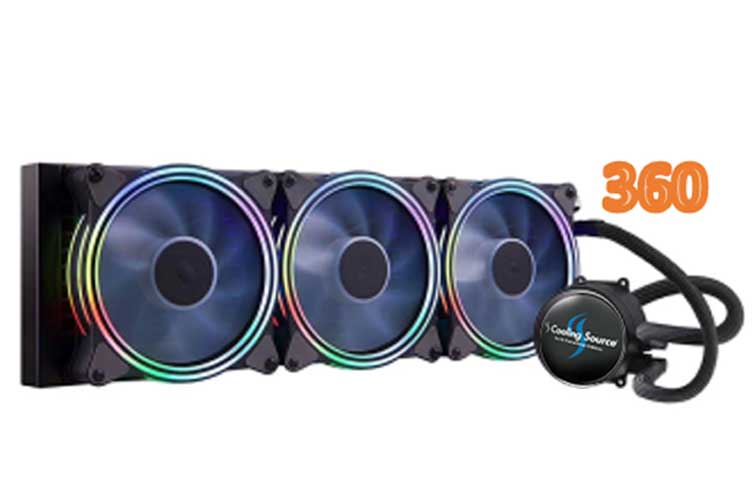
A pump pushes the heat created by the components over water into a heat exchanger, consequently cooled by fans in liquid coolers. Closed systems — so-called “AIO coolers” and complicated “custom liquid cooling” are distinguished in the field of water cooling. Please get in touch with one of our engineers to discuss your application.
SHOULD I COOL WITH WATER OR WITH AIR?
The CPU cooler selection is primarily a matter of personal preference. WATER COOLING SYSTEMS are typically more powerful but also have a pump, making them more complicated. Consequently, they have another source of noise and a potential weak spot in addition to the fans, which is why many enthusiasts still swear by air cooling.
Different types of CPU coolers are recommended depending on the intended purpose and the case available.
A low-profile top-blower is suitable for a small HTPC but would be overworked in a high-end system with overclocking ambitions. A large tower CPU cooler or an AIO water cooler is also appropriate for gaming PCs or other high-performance systems, but it is overkill for a small office computer. On the other hand, in a high-end system with overclocking ambitions, a low-profile top blower is excellent for a compact HTPC. Still, it would be overkill in a high-end system with overclocking ambitions. Similarly, a large tower CPU cooler or AIO water cooling is suitable for gaming PCs and other high-performance systems, but it is too big for most other systems.
WHAT SHOULD BE TAKEN INTO ACCOUNT WHEN PURCHASING A CPU COOLER?
Before purchasing a CPU cooler, you should ask yourself the following questions:
COMPARISON AND TEST OF CPU COOLERS
As cooling experts, we at Cooling Source provide a diverse range of CPU coolers, giving the appropriate cooling solution for every need. Our signature has always been high quality and innovation at an excellent price-performance ratio. Also, CPU cooler manufactuerd by Cooling Source are certified by independent computer professionals and hardware enthusiasts worldwide.
WHICH APPLICATIONS ARE ON THE COMPUTER AT THE MOMENT?
A small low-profile cooler or a passive cooler is usually sufficient in a primary office PC. On the other hand, a powerful CPU cooler is required if demanding tasks such as gaming or video editing are planned.
WHAT ARE THE SPECIFICATIONS FOR COOLING CAPACITY AND NOISE LEVEL?
Is the system going to be overclocked? Then you’ll need a large tower CPU cooler or water cooling. If you want a quiet PC, how about a multimedia HTPC in the living room? Then passive cooling is desirable, or a low-profile cooler is a viable option.
WHICH TYPE OF COMPUTER CASE WILL BE USED?
There is ample room in big- or midi-towers for powerful tower CPU coolers or AIO water coolers. However, more extensive cooling solutions are likely to be unavailable in a compact system with modest dimensions.
Cart
Check out
My account
Contact us
Cooling Source Home page
CPU Cooler Multicolored 360
PN: CS266-360M0A-0A


CPU Cooler Multicolored 240
PN: CS266-240M0A-0A


CPU Cooler Multicolored 120
PN: CS266-120M0A-0A


CPU Cooler RGB 360
PN: CS266 360-A-0A

CPU Cooler RGB 240
PN: CS266 240-A-0A


CPU Cooler RGB 120
PN: CS266 120-A-0A


Extruded Heat Sink
Extruded Heat Sink
Extruded heat sinks from Cooling Source serve a wide range of industries, including Military, Telecom, consumer electronics, medical devices, LED lighting, and power conversion. In addition, aluminum heat sink enclosures serve as heatsinks for amplifiers, power supplies, and industrial controllers, among other things.
Manufacturer and supplier of extruded heat sinks.
Cooling Source extruded heatsinks are of high precision quality and guaranteed by a team of talented engineers with a combined 30-years of experience in the thermal industry. In addition, we have hundreds of standard molds accessible, so we can quickly match which extruded heatsinks are a close match to yours, saving you money and time on heatsink extrusion requirements. Also, Thanks to our newest Tooling Technology, we can help create your unique design.
Extruded heat sinks in Standard sizes are available from Cooling Source. Therefore, it allows you to order in small quantities, shorten the lead time, and enable you to ship within five days. For assistance in determining the request size, please get in touch with our sales engineer.
Cooling Source is a company that specializes in extruded heat sinks. Clients widely use extruded heatsinks in a variety of industries. CNC/Punching/Tapping/Welding/Drilling/Milling are just a few of our services as a one-stop shop for aluminum fabrication. CSI can help you save time and money. Cooling Source, being an extruded heat sink manufacturer and supplier, can support most requirements.
CSI is your go-to source for extruded heat sinks.
Cooling Source utilizes aluminum alloy 6063 for an extruded heat sink. However, why not use Copper instead of aluminum? Pure Copper has a thermal conductivity of about 380 /400W/mK. In contrast, pure aluminum has a thermal conductivity of approximately 230W/mK, not to mention aluminum alloy, which has a thermal conductivity of about 120 /200W/mK.
Copper has a significantly higher thermal conductivity than aluminum. On the other hand, Copper has a density of 3.3 times that of aluminum and is more expensive. In light of these considerations, aluminum is a better choice for lightweight and cost-effective extruded heat sinks.
CSI extruded heat sinks ship complete with various surface treatments. Anodizing is the most popular finish. Corrosion resistance, wear resistance, and electrical isolation are all improved with anodized heatsink extrusions.
Some customers consider Electrophoresis coating for cosmetic reasons. In addition, Anodizing and electrophoresis offer cutting-edge thermal solutions.
Extruded heatsink prevent equipment from overheating . In addition, round extruded heat sinks are suitable for LED heatsinks. Computer memory, chipset cooling fans, and CPUs, for example, all employ small heat sinks. Cooling Source can customize large heat sinks with a maximum of twenty inches width.
The Ultimate Extruded Heat Sink FAQ Guide
Heat sinks are an essential component of electrical and electronic devices. Heatsinks absorb heat from equipment and dissipate it into the atmosphere or a fluid. Customers use heatsinks to dissipate heat off electronic components.
Extrusion is the most popular manufacturing process for heatsinks. They are cost-effective and provide excellent thermal control. Extruded heatsinks come in a variety of shapes and sizes.
We’ve put up this handy guide to answer all of your heat sink-related questions.
This guide will teach you everything you need to know about extruded heat sinks. The data will assist you in making an informed decision regarding your project’s requirements. You will also be able to select the appropriate extruded heat sink without difficulty.
Key factor to consider when selecting an extruded heatsink!
Which material is best for extruded heat sinks?
Cooling Source manufactured extruded heatsink with copper and aluminum. Copper has better thermal conductivity than aluminum, although it is more expensive and heavier. We can only extrude small copper heatsinks due to the Copper’s high density.
Your needs will determine the appropriate material for extruded heat sinks. However, your inputs will be of great importance in choosing the best extrusion.
What’s the difference between an extruded heatsink passive and active heatsinks?
There are two types of extruded heat sinks: active and passive extruded heat sinks.
Passive heatsink don’t include mechanical components. Customer use convection cooling for low power applications. As air travels past the heat sink’s fins, the heat is released into the atmosphere. Because they don’t have any moving parts, passive heat sinks are more reliable.
The mechanical component of active extruded heat sinks aids in the cooling process. Customer add blowers or fans on active heat sinks. They are more expensive than passive heat sinks, but they cool more efficiently.
Aluminum alloy is best for heat sinks.
The most frequent material for extruded heat sinks is aluminum. Heat sinks are available in a variety of aluminum alloys. The 6000-aluminum series is the most used alloys. They are also long-lasting and cost-effective. The thermal conductivity of the aluminum 6000 series can range from 166 to 201 (W/mK).
Aluminum 1050 alloy with thermal conductivity of 229 (W/m•K) can also be used. However, because the alloy is mechanically very soft, it may not be suited for heatsinks. Other aspects, not just thermal conductivity, should be considered while selecting alloys.
Is it true that customized colors have an impact on heat sink performance?
Extruded heat sinks are sometimes painted in various colors, such as green, blue, or black. Color, on the other hand, has no bearing on the heat sink’s performance. The distinction is purely cosmetic. It has no bearing on how quickly or slowly your component cools.
It’s also a good idea to avoid painting or powder-coating your heat sinks. Coatings act as an insulator by forming a layer over the heat sink. This will hinder them from adequately dissipating heat.
What advantages do anodize extruded heat sinks have?
Anodization is an electrochemical reaction. The method of aluminum extrusion is used for anodizing heat sinks. The procedure thickens the natural oxide on aluminum. Unlike previous processes, no powder or chemical is applied to the aluminum’s surface.
Heat sinks benefit from anodization in a variety of ways. The thick oxide layer strengthens the heat sink. As a result, it is significantly better at preventing corrosion. The thick layer adds to the overall strength. The heat sink is more resistant to wear and strain. Anodizing protect heatsinks from harsh environments.
Anodization improves the heat sink’s electrical isolation. You’ll also benefit from increased surface emissivity. Heat transport becomes more efficient as well, especially for smaller heat sinks.
An anodized heat sink looks like this:

How does the aspect ratio of extruded heat sinks affect their performance?
Different aspect ratios can be found in heat sinks. The aspect ratio of a heat sink is the ratio of fin height vs. the width between two fins.
The length of the fin
The most common aspect ratios for heat sinks are 3:1 and 5:1. A heat sink with a high aspect ratio will have one of the following features:
Tall fins have a higher density of fins in each footprint than heat sinks with a lower aspect ratio.
Heat sinks with a high aspect ratio have more surface area for dispersing heat. CSI’s production capabilities allow them to produce products with a high aspect ratio of more than 15:1.
This indicates that the heat sinks are more efficient at cooling the equipment. High aspect ratio extrudded heatsinks take less space. As a result, they’re perfect for applications with a bit of area.
What’s the difference between extruded heat sinks that are bidirectional and those that are omnidirectional?
Extruded heat sinks are available in both omnidirectional and bidirectional configurations. Omnidirectional heat sinks allow air to flow through them from any direction. This is because heat sinks are crosscut to make them omnidirectional.
Extrusions are used to construct the fins, then cut in the opposite direction using crosscut saws. As a result, you’ll have a pin-fin grid. With a 45-degree flow angle, the crosscut heat sink has a 25% higher temperature rise. The setup allows you to position the heat sinks with the use of clips precisely.
Air can flow in both directions using bidirectional heat sinks. The air moves in the same direction as the extrusion.
Extruded heat sinks have a variety of industrial applications.
Heat sinks that have been extruded are appropriate for industrial applications. The following are some examples of typical applications:
Microprocessors: Many industrial devices and equipment are controlled by microprocessors. Heat sinks are an efficient way to keep microprocessors cool so they can continue to function.
Extruded heat sinks are also used in the hardware of computers. They can be found on processors, graphics cards, and other devices. They’re omnipresent in industrial and commercial workstations alike.
Electrical circuits are required for the proper operation of electronic and electrical devices. To avoid failure, you’ll need to maintain the appropriate temperature. the most efficient way to reach this goal is to add a heat sink to your electrical circuits . They’re prevalent.
Voltage regulators for LED systems
Transistors
Semiconductors
Transistors with much power
ICs
Medical equipment: Temperature regulation is critical in the healthcare industry. They require the trouble-free operation of their devices to serve patients. Heat sinks allow medical equipment to operate at the proper temperature. As a result, organizations can safeguard their patients’ health and well-being.
Audio applications: Extruded heat sinks can be found in audio equipment as well. They’re common, especially in recording studios.
CSI manufacture extruded heat sinks in a variety of ways.
The most frequent way of producing heat sinks is extrusion. It is also cost-effective. The process require the aluminm to go through a die to create the heat sink shape . The intended cross-section determines the cross-section of the die. Cooling Source manfuacture complex cross-sections extruded heatsinks. Once the cross-section die is complete, it gives you the flexibilityy to create your specific heatsink from a variety of molds.
Extruded heat sinks are available in a variety of fin forms.
Pin arrangements can be one of three types to distribute heat through the heatsink:
Fins that run the length of the heat sink are called straight fins. They can be seen on the sink in predefined spaces at regular intervals. Crosscut heat sinks with this configuration are also available.
A heat sink’s flared pins are not parallel to one another. From the base, they can rise in any direction. Resistance and flow can be reduced using this setup. As a result, more air passes through the heat sink, allowing your application to cool more effectively.
What factors should you consider while selecting an extruded heat sink?
You can choose the proper extruded heat sink by following a few simple steps. The procedure has now become considerably more straightforward and straightforward. Cooling Source use software to produce thermal models and simulations. The results of the report will then assist you in determining the heatsink performance you require.
The findings can be used as a starting point for designing heat sinks. Manufacturers may also provide thermal and mechanical models. This generates a thermal map of your application, which can then be analyzed. You can use these to determine whether the heat sink is appropriate for your application.
You can improve Heatink efficenty several ways:
Pin fin improve the efficiency of the heatsinks in various ways:
The aspect ratio can be up to 20 to 1.
reducing the length of the fins
Choosing a pin with a flared design
Using a material with high thermal conductivity for the fins
Increase Fins’ surface area by expanding the surface area.
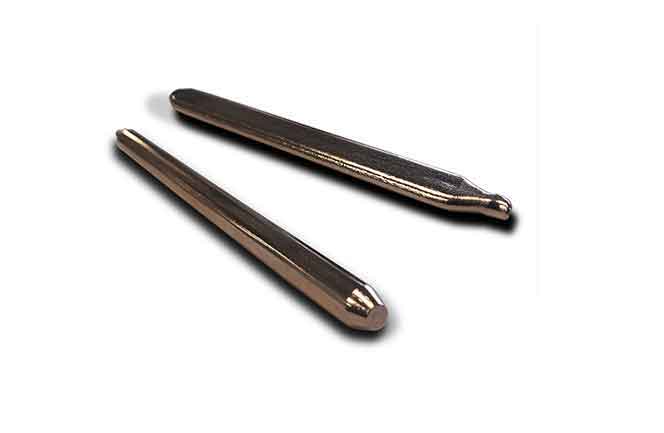
Consider adding heat pipes in the base
What factors should you consider while choosing an extruded heat sink?
You can choose a heat sink with the proper parameters by following the steps below:
Thermal modeling: We’ve already talked about how crucial thermal modeling is. It will assist you in selecting a heat sink that meets your performance requirements. You can model with computer software or ask your vendor to do it for you.
We manufacture extrudedheatsink with aluminum alloys. The aluminum type need to have a high thermal conductivity for the heatsink to be effective. Also, Aluminum heatsink made of aluminum will last for a long time.
Another substance with a high heat conductivity is diamond. Depending on your needs, you can also employ different aluminum alloys.
Fins: Fins are available in a variety of configurations, shapes, sizes, and locations. Each arrangement has the potential to affect the heat sink’s performance. Flared pins, for example, have a larger surface area for heat to disperse.
Fin efficiency is the ability of fins to transfer heat from a device to air or fluid. CSI design effective extusions made of various type of fins. You can, for example, raise the aspect ratio or shorten the fins’ length.
What extruded heat sink manufacturing options are available?
For your extruded heat sink, you can employ a variety of construction techniques. The following are some examples of standard fabrication capabilities:
Drilling (CNC): We use a variety of CNC drilling machines, both fully automated and semi-automated.
A cutting (Sawing) is a low-cost technology that is perfect for prototyping.
We use sandpaers and sand blasting equipment to ensure you a smooth surface finish.
Epoxy bonding: For a solid bond, we utilize high-quality epoxy.
EDM (Electrical Discharge Machining): We utilize EDM to create your desired shape using electrical sparks.
CSI used automated deburring tools to ensure you a consistent quality Heat sink.
Fly cutting is a milling technique for creating a flat surface on heat sinks.
High-speed stamping: This allows for better performance and a higher heat-flux density.
Counterboring: Use a cylindrical flat-bottomed hole or a coaxial hole for straightforward insertion.
What’s the difference between standard extrusion and ultra-high ratio extrusion?
Ultra-high ratio extrusion has recently gained popularity. For better thermal management, the approach employs thinner fins on the heat sinks. Per unit width, you obtain more surface area. As a result, the cooling process is more efficient.
Other advantages of ultra-high ratio extrusion over standard extrusion include being substantially less expensive than typically extruded heat sinks. You can save money by removing the requirement for fin-to-bond joints, for example.
However, compared to typical extrusion, you may have to pay more for tooling. The good news is that it is a one-time expense.
High airflow rates are also possible because of the design. Consequently, you can lower the airflow backpressure.
Please, contact a sales engineer at Cooling Source s today for a quick quote.
Cart
Check out
My account
Contact us
Cooling Source Home page
Standard Heatsinks